


Angie Hanson (Grace and Grit Letters) is a writer, grief educator, and the founder of Butterflies + Halos, a stationery brand and community that speaks hope into grieving hearts. She’s 53, lives in Nebraska with her husband, and has the kind of presence that can only come from having been cracked open by life and choosing to create meaning anyway. Midlife, for Angie, hasn’t been a crisis. It’s been a reckoning and a rebuilding. After losing her son, her husband, and her brother within a few short years, she was forced into the kind of questions none of us ever want to be handed: “Who am I now, and who do I want to become?” In this conversation, Angie speaks with tenderness and strength about identity shifts, grief, purpose, and what it means to begin again, not from nothing, but from wisdom.
Who are you, and what season of midlife are you in right now?
I’m Angie Hanson, a 53-year-old writer, grief educator, and the founder of Butterflies + Halos, a stationery brand and community that speaks hope into grieving hearts. I live in Nebraska with my husband, and most days you’ll find me writing, creating, or trying to turn life’s hardest stories into something that helps someone else feel less alone.
Midlife, for me, hasn’t been a crisis. It’s been a reckoning and a rebuilding. After losing my son, my husband, and my brother within a few short years, life forced me to ask some very big questions about who I was and who I wanted to become.
This season feels less like starting over and more like starting from wisdom. I’m learning to live with deeper intention, softer expectations, and a stronger voice about the things that truly matter.
What surprised you most about midlife or menopause?
What surprised me most about midlife is how much clarity it brings.
You start realising how much of your earlier life was spent trying to keep everyone comfortable — being agreeable, shrinking yourself, saying yes when you meant maybe. Somewhere along the way, that instinct begins to loosen its grip.
Midlife has given me a quieter kind of confidence. Not loud or flashy, but grounded. The kind that says, I know who I am now, and I’m not interested in apologising for it.
What’s been the hardest part that people don’t talk about?
One of the hardest parts people don’t talk about is how much identity can shift in midlife.
Roles change. Children grow. Relationships evolve. Grief shows up in ways you didn’t expect. And sometimes you wake up and realise the version of yourself that carried you through earlier chapters doesn’t quite fit anymore.
That can feel disorienting. But it can also be the beginning of something beautiful — the slow work of rediscovering who you are underneath all the roles you once held.
What has helped you most?
What’s helped me most is community and purpose.
Grief taught me that we are not meant to carry life alone. Being surrounded by people who understand hard seasons has been incredibly grounding.
And purpose has been my anchor. Writing, speaking, creating cards and resources for others walking through grief — those things have helped me transform pain into something meaningful. When your story starts helping someone else breathe a little easier, it changes how you carry it.
What are you unlearning?
I’m unlearning the idea that I have to be everything for everyone.
For a long time, I believed strength meant holding everything together. Midlife has taught me that real strength often looks like boundaries, rest, honesty, and sometimes saying, “I can’t carry that right now.”
I’m also unlearning the belief that my worth is tied to productivity. Some seasons are meant for building. Others are meant for healing.
What do you wish you could tell your 35-year-old self?
I would sit beside my 35-year-old self very gently, because she was standing in the middle of a storm she never saw coming.
I was a year out from having just lost our son, and not long after, I was also watching my husband fight the cancer that would eventually take his life. At 35, life wasn’t about reinvention or self-discovery. It was about surviving the unimaginable, one breath at a time.
So I would tell her: slow down and trust your own voice sooner.
Stop worrying so much about whether you’re doing life “right.” The approval you’re chasing won’t matter nearly as much as the peace you’re postponing.
And I would tell her that even when life breaks your heart in ways you never thought possible, it won’t break your ability to love again, to laugh again, or to build something beautiful from the pieces. In time, the very story that feels like it’s ending will become the one that helps someone else keep going.
What do you want other women to know they’re not alone in?
I want women to know they are not alone in feeling like they are reinventing themselves in midlife.
So many of us are quietly asking the same questions:
Who am I now? What do I want the next chapter to look like? What parts of me are still waiting to be explored?
Those questions aren’t signs that something is wrong; they are signs that something new is beginning.
What’s one small ritual or practice that’s keeping you steady?
One small practice that keeps me steady is writing.
Some days it’s journaling. Some days it’s a letter to my younger self. Some days it’s a note to someone who might be grieving. Writing helps me process what I’m feeling and reminds me that even the hardest experiences can hold meaning.
It’s a quiet ritual, but it helps me stay grounded in gratitude, faith, and the belief that every chapter of life still has something to teach us.
What stays with me after reading Angie’s words is the depth of her clarity. Not the hard, brittle kind. The lived kind. The kind that knows life can break your heart and still leave room for love, laughter, and beauty to return in new forms. She speaks so honestly about the identity shifts of midlife, how the roles that once defined you can fall away, and how disorienting that can feel, especially when grief is woven through it all. But she also reminds us that this unravelling can be the beginning of something beautiful: the rediscovery of who you are underneath all the roles you’ve carried.
I love her reminder that strength doesn’t always look like holding everything together. Sometimes it looks like boundaries, rest, honesty, and admitting you can’t carry one more thing. And her writing practice feels like the perfect thread through it all, a quiet way of processing, witnessing, and turning pain into something that helps someone else breathe a little easier. If you’re in a season of reinvention, grief, or quietly asking bigger questions about your next chapter, Angie’s words are a gentle reminder that nothing is wrong with you. Something new may be beginning.
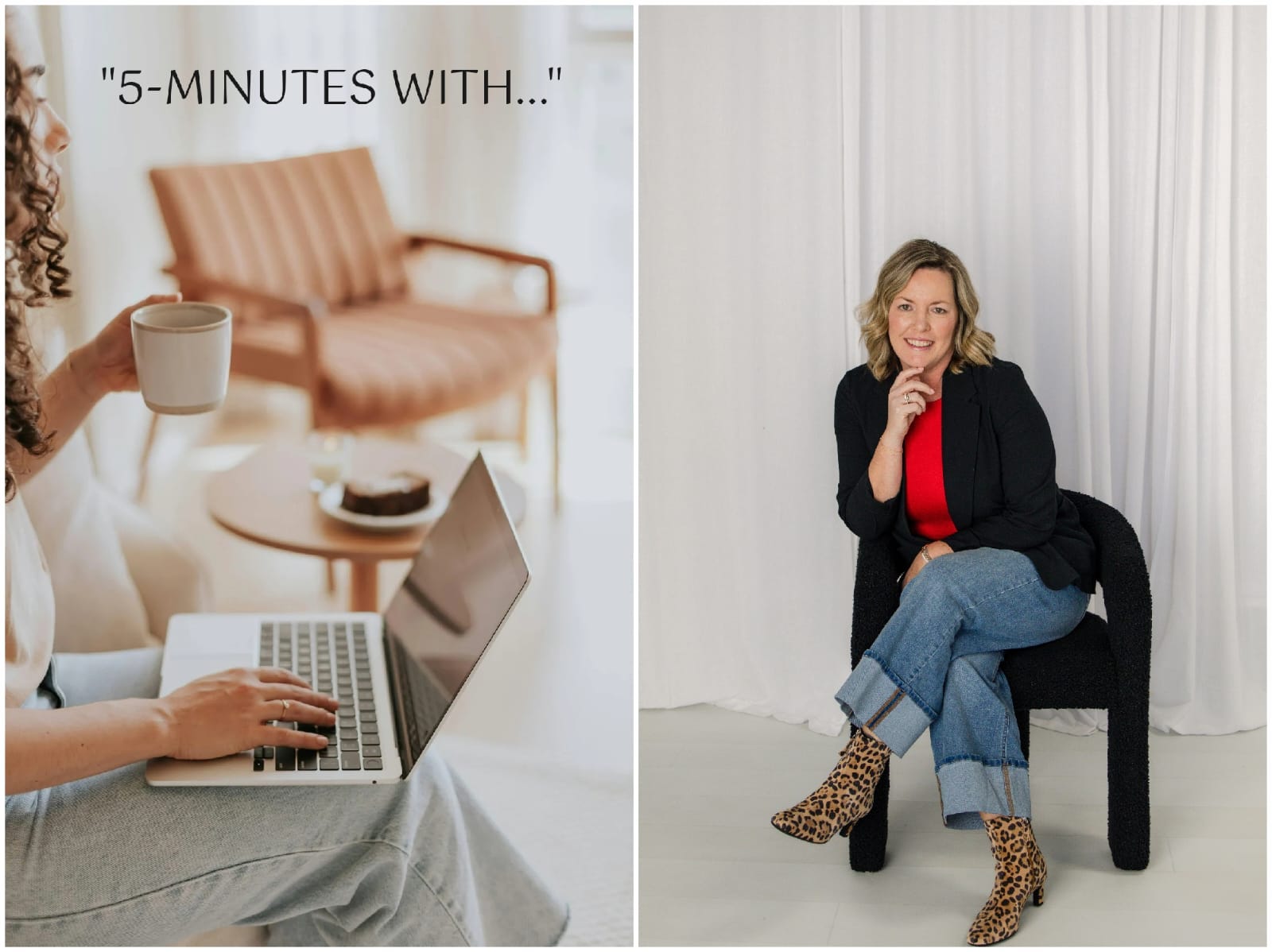
If you’d like to be part of the ‘5 Minutes With…’ series, or you know a woman whose voice would feel like medicine here, email me at hello@kiransinghuk.com. And if you’re reading this thinking, same, tell me in the comments: what are you unlearning in midlife?