

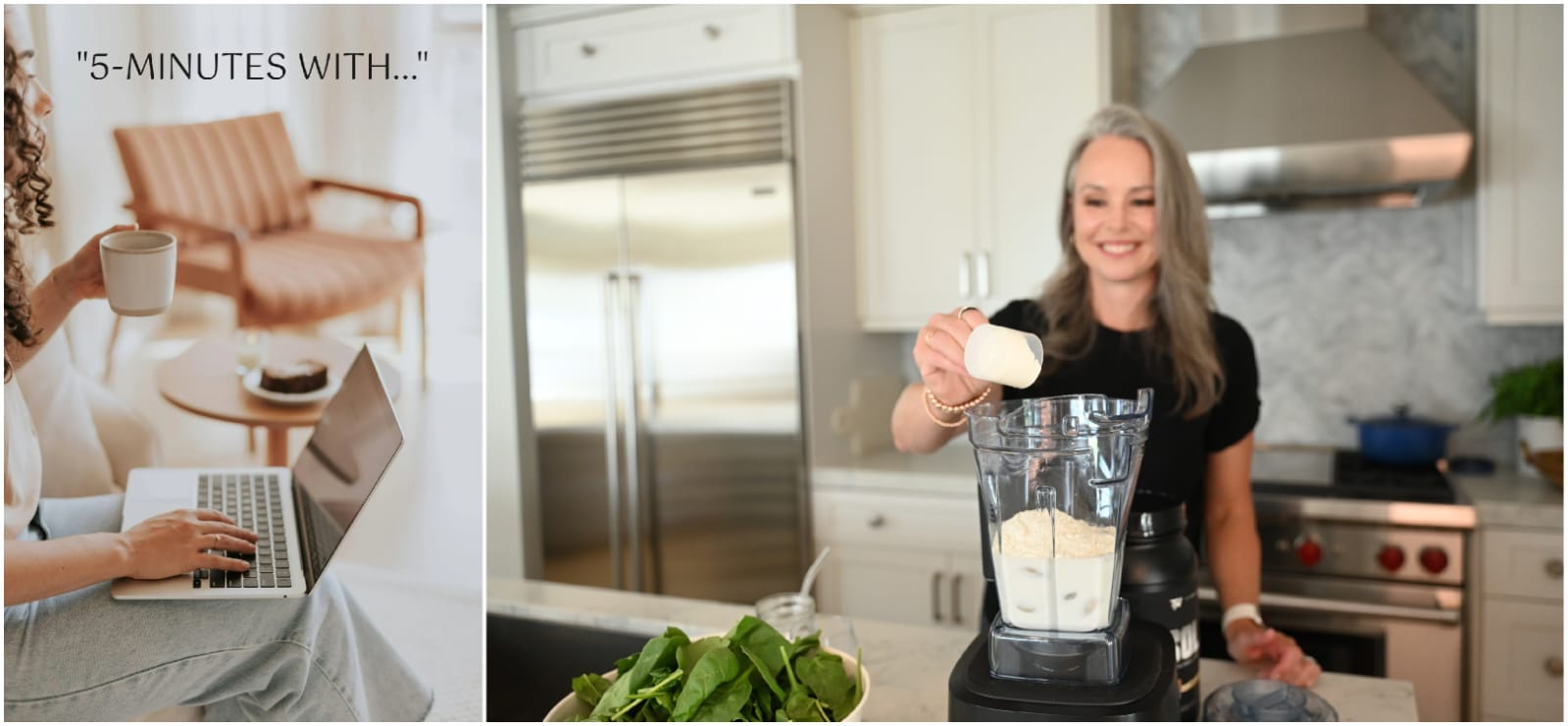
Corry Matthews is a wife, a mum, and a fitness and nutrition expert who’s spent the past 25 years helping women feel strong in their bodies. She’s a former bodybuilder who still competes in bodybuilding shows, and she’s also building a real-life community through events that help women thrive in the South Bay. What makes Corry’s story especially powerful is this: she didn’t just coach women through midlife change; she got dropped into it herself. At 48, she’s two years post-menopause after starting perimenopause just before 40, and she speaks with rare clarity about what it feels like when your body changes early, fast, and without your permission. In this conversation, Corry opens up about the sudden weight gain, brain fog, exhaustion and anxiety that blindsided her, and how learning to work with hormones, not against them, changed everything.
Who are you, and what season of midlife are you in right now?
Who I am: I am a wife and a mom, and I’ve spent the past 25 years as a fitness and nutrition expert, dedicated to helping women live their best lives. I’m a former bodybuilder who still puts on bodybuilding shows, and I’ve recently started organising events to help women thrive in the South Bay. This work is a true passion of mine, and I really enjoy doing it while also being present and available for my family.
My current season of midlife: At 48, I am two years post-menopause. I began perimenopause just before turning 40, so I’ve experienced a lot of change over the past decade. While I know 48 is younger than most for menopause, I’m grateful that my hormones have finally levelled out and balanced, giving me a new sense of stability and energy.
What surprised you most about midlife or menopause?
When I turned 40, I was completely surprised by how early and drastic the changes were. I’ve been in the fitness and nutrition industry since 2000, and all of a sudden, I gained 25 pounds of body fat even though my nutrition and exercise hadn’t changed. I felt exhausted, anxious, and even depressed at times, with moments where it felt like I just couldn’t keep going. My brain felt foggy, and I even worried I might have early-onset dementia.
This was back in 2018, before perimenopause and menopause were widely talked about. I remember talking to my business partner, Dr Stacia Kelly, who has her PhD in holistic health, and she suggested we look at our hormones. Our estrogen and progesterone were fluctuating, affecting our metabolism (even though ALL my labs at the doctor were normal). We created a natural protocol that helped me lose 25 pounds and helped her lose 65 pounds, simply by balancing metabolism hormones and adjusting our nutrition and training/exercise demands. That journey showed me just how transformative understanding your hormones can be during midlife.
What’s been the hardest part that people don’t talk about?
I think one of the hardest things, and what most people don’t talk about enough, is that there’s no magic pill. Everyone is looking for the latest solution, whether it’s GLP-1 for weight loss or hormone replacement therapy, but the reality is that when our sex hormones drop, all of our metabolism and regulatory hormones have to figure out a new balance.
What really makes the difference is lifestyle: the nutrition that’s right for your body, exercise that feels good rather than punishing, and prioritising sleep, even though it can be tricky during this phase. For many women, perimenopause hits right at the height of their careers, so they’re expected to juggle it all while their bodies are changing dramatically.
The women I work with often hide behind their health, but I help them find balance, navigate these changes, and reclaim control. Once I reached menopause, I realised I had made it through that challenging phase, and life feels expansive and full of possibility on the other side.
What has helped you most (a habit, a mindset shift, support, HRT or no HRT, community)?
I’ll be honest, at first, I stayed away from HRT, but once I hit menopause and was diagnosed with osteoporosis, I knew I needed it to protect my bones. I also have a family history of heart disease, so it was the right choice for me.
That said, what’s helped me the most has been consistency with my nutrition and lifestyle habits. When my hormones started changing, foods that I used to eat all the time, things I thought were healthy, stopped working the same way. Carbohydrates, for example, don’t process the same in a perimenopausal body because we’re more insulin-resistant.
Cutting back on sugar, moderating alcohol, and being mindful of my overall nutrition have made a huge difference. When I stick with my habits, I notice fewer aches and pains, less brain fog, and I feel more balanced overall. That’s why I focus so heavily on nutrition with my clients; it’s the foundation for thriving through midlife.
What are you unlearning?
I’m unlearning the habit of comparing myself to others. I remind myself that I have no idea what anyone else is going through, whether it’s the woman who looks more fit than younger women who seem to have it all together. Everyone is unique, and honouring that has become my focus.
I’m also unlearning the idea that I need to push harder, faster, or stronger like I used to. It’s okay to pause, to choose exercise that my body enjoys, and to give myself grace. I focus on strength training and walks that feel good, knowing that my body now needs a different approach to staying fit and well. It’s not what it used to be, and that’s okay.
What do you wish you could tell your 35-year-old self?
I would tell my 35-year-old self to love and enjoy your body. Looking back, that body, before perimenopause and menopause, was something I would now give anything to have back. The next 10 years are going to be a roller coaster, hell on wheels, as your hormones shift, much like puberty all over again, but you’re going to learn so much about yourself, your resilience, and how to take care of yourself. My advice would be: don’t give up, don’t quit, and stay the course; you can get through it and come out stronger on the other side.
What do you want other women to know they’re not alone in?
I want every woman to know that they are not alone; every single woman with a uterus will go through perimenopause and menopause at some point. It’s not just you; this is something we all experience, much like puberty, and we all have to navigate and push through it.
One of the things that has helped me most is humour, finding the funny side of it, laughing with friends, or sharing stories on social media. Little moments, like forgetting your keys or being interrupted by your kids, remind us that we’re in this together.
Connecting with other women, especially those 5–10 years ahead of you, sharing experiences, and hearing how they navigated this stage is key. It helps to remember that this isn’t the end, and it won’t feel like this forever. By talking, laughing, and supporting each other, we make the journey not only manageable but also empowering.
What’s one small ritual or practice that’s keeping you steady in your daily life?
Every morning, I walk. I take my dog out for a walk, which I think of as my “walking meditation.” It’s my moment to be present and at peace. I use that time for prayer, reflection, listening to uplifting podcasts, or just jamming out to my favourite songs.
This ritual helps me set intentions, clear my mind, and ground myself for the day. It brings me back to step one, literally and figuratively, and gives me a sense of balance and calm. I prioritise this every single day, and it’s one of the best practices I do for my well-being.
What I love about Corry’s perspective is that it’s both real and reassuring: there’s no magic pill, and you’re not failing because the old rules stopped working. Midlife isn’t a discipline problem. It’s a physiological shift. Corry names the temptation to chase quick fixes, then brings you back to what actually creates change: nutrition that fits your new body, movement that supports rather than punishes, and the boring-but-brilliant power of consistency.
She also speaks honestly about choosing HRT when osteoporosis entered the picture, a reminder that personalised care matters, and that strength in midlife includes making the decisions that protect your future self. Her daily walking meditation is the perfect closing note: a small, steady ritual that says, I’m allowed to pause, I’m allowed to reset, I’m allowed to meet myself where I am. And if you’re in the thick of the roller coaster right now, Corry’s message lands clearly: stay the course. You can get through it. And life can feel expansive again on the other side.
This series exists because when one woman tells the truth, another woman exhales. If something in this conversation made you exhale, if you recognised yourself in her words, there is a space where that feeling has a home.
The Midlife Circle is where the deeper conversation lives. Not just other women’s stories, but yours. Bi-weekly essays and The Midlife Edit, a private podcast, tools across all five areas of this season of life, from £19/month or £149/year.
And if you’re ready to go all the way in, the Midlife Inner Circle at £297/year includes the Midlife Manifesto Audio Training, The Midlife Reset course, and four quarterly 1:1 calls with me. Real, personal support for the redesign you’re already beginning.
Wonderful interview. Her insights work for all women in all age groups. Her approach honors the lifestyle changes that are essential to good health and recognizing the benefits for medical therapies such as hormone therapy. Often women do best combining the approaches uniquely to their needs. Thank you
Thanks for sharing. As I move into this new stage of of life, it’s comforting to hear from those who have already been through it.