


Judith Anders is a podiatrist, a mum, a grandmother, and a woman living a version of midlife we don’t hear about nearly enough. She’s in what she describes as a steady, active season: running a business, staying physically strong, and moving through daily life with a grounded sense of health and balance. What stands out in Judith’s story is not upheaval, but consistency. In a conversation about midlife and menopause that often leans toward crisis, her perspective offers something equally important: a reminder that not every woman’s experience is dramatic, difficult, or defined by symptoms. Sometimes midlife is less about disruption and more about continuing to care for yourself well.
Who are you, and what season of midlife are you in right now?
I am Judit, and I’m a podiatrist, mum, and grandmother, and I suppose I’m in a steady, active stage of midlife. I work, run a business, and stay physically active. I feel good about myself and fairly settled in how I live day to day. A big focus for me is just staying strong and healthy so that I can keep up with work and family life.
What surprised you most about midlife or menopause?
The main thing that has surprised me is that I haven’t really had symptoms so far. I know that is not the common experience for many women. My mum and grandmother both went through menopause later and had children in their late 40s, so I think my expectations were always a bit different.
What’s been the hardest part that people don’t talk about?
Probably the assumption that midlife or menopause is automatically difficult. When your experience doesn’t match that, it can feel a bit like you are waiting for something to happen or questioning whether you should be feeling differently. I think the reality is that it varies widely, but that is not always reflected in how it is discussed.
What has helped you most (a habit, a mindset shift, support, HRT or no HRT, community)?
Keeping a consistent routine. I stay active, I eat fairly well, and I try not to overcomplicate things. I don’t drink much, and I eat locally produced food when I can. I have never really approached it as managing symptoms, more just maintaining health in a steady way over time.
What are you unlearning?
I am unlearning the idea that ageing for women automatically means decline or stepping back. I still work, I am still active, and I still have responsibilities that keep me busy. It feels more like a continuation than a change in identity.
What do you wish you could tell your 35-year-old self?
To keep doing what you are doing with health and fitness, because it does make a difference long term. And not to worry too much about ageing in general. It is not as dramatic as it sometimes gets made out to be.
What do you want other women to know they’re not alone in?
There is a wide range of experiences. Some women have difficult symptoms, some don’t, and both are normal. It is not one single story.
What’s one small ritual or practice that’s keeping you steady in your daily life?
Staying active every day in some form. It does not have to be anything structured, just movement and keeping going with normal life. It helps me feel balanced and well.
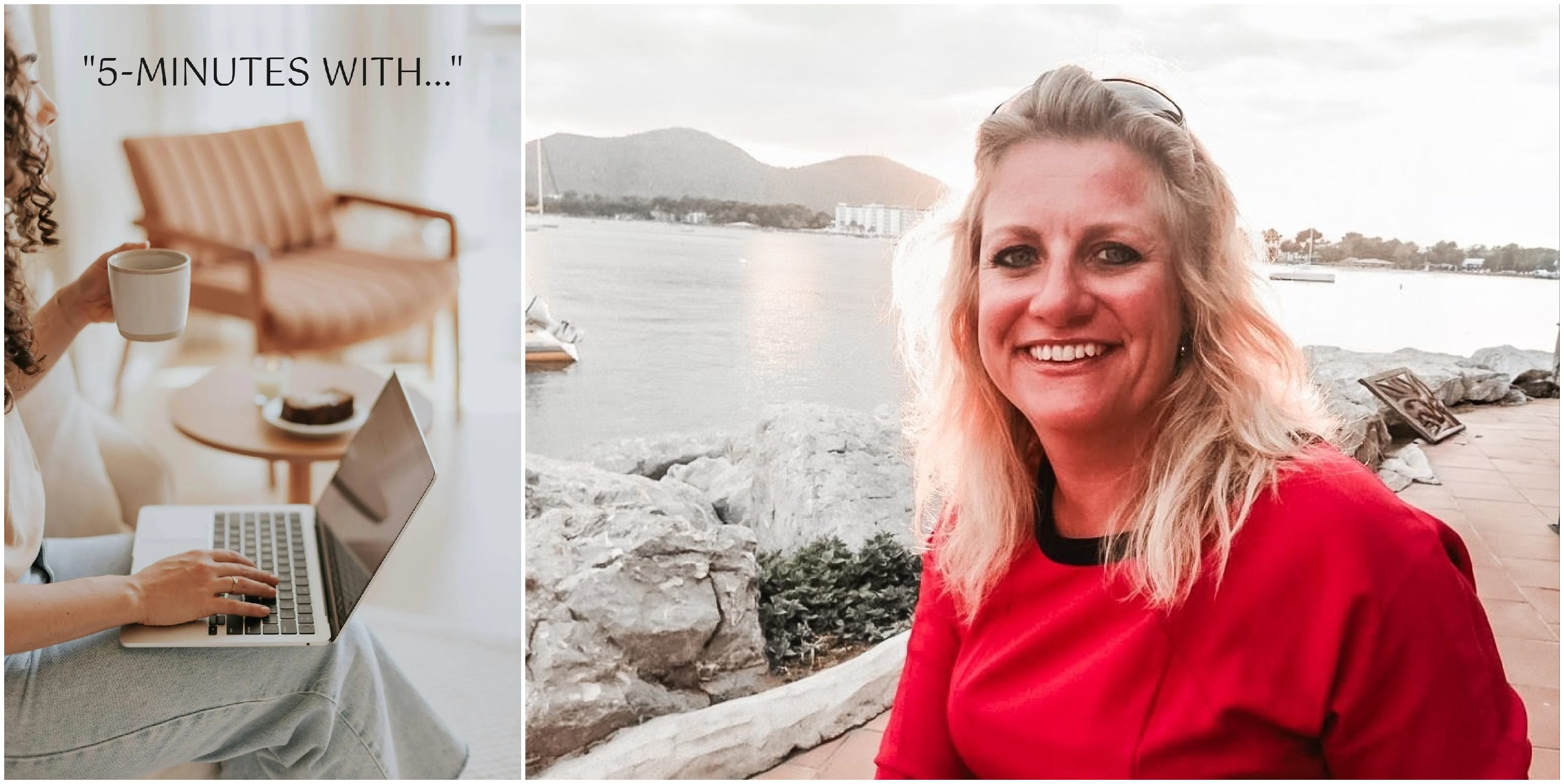
What I appreciate about Judith’s answers is the calm clarity they bring. She reminds us that midlife is not one single story, and that matters. Some women face intense symptoms. Some don’t. Some experience big identity shifts. Others feel more like themselves than ever. All of it is valid. Judith’s approach is simple but powerful: keep moving, eat well, don’t overcomplicate it, and trust that long-term care of your body makes a difference. I also love her refusal to buy into the idea that ageing for women automatically means decline or stepping back. For her, this chapter feels like a continuation, not a collapse. And maybe that’s its own kind of wisdom, a quieter, steadier one. If your experience of midlife doesn’t match the dominant narrative, let Judith’s words reassure you: that’s normal too.
Midlife, Menopause & Footcare: Why Your Feet Deserve Special Attention (and the Right Products)

By Judith Anders, Podiatrist & Founder of Dr. Anders Footcare
Kiran x