


There’s a quiet kind of loneliness that can exist even when you’re surrounded by people, not because you don’t have a connection, but because the connection you have is still meeting an older version of you. The version that was more agreeable, more available, more willing to bend, more likely to smooth things over, laugh things off, make it fine.
And midlife is often when you realise: “I can’t keep introducing myself as her.” It’s subtle at first. You notice you’re tired of being the one who always checks in first: tired of being the one who carries the emotional tone, tired of being the one who says yes because it’s easier than saying no.
You start to feel a little itchy in relationships that rely on you being predictable, and you recognise what’s actually happening: you’ve changed, but your relationships haven’t been given the chance to catch up, because if you’re honest, you haven’t shown them, not fully.
You’ve kept the new version of you private. You’ve let her exist in your journal, your quiet routines, your internal knowing… but in the relationship, you keep defaulting back to the old dynamic. It’s not because you’re fake; it’s because newness feels risky.
When you shift, you don’t just risk conflict; you risk people being disappointed; you risk people misunderstanding you; you risk someone saying, “You’ve changed.”
And the truth is: yes, you have. That’s the point. Spring is the season where this becomes unavoidable. The light comes back, and with it comes visibility. You can’t pretend you’re still okay with things you’ve outgrown. You can’t keep meeting people as the version of you who was built for survival.
So this Spring asks a different kind of courage: Not the courage to walk away, but the courage to stay… as yourself. To let your relationships meet the woman you are now.
The uncomfortable truth about growth
When you grow, you disrupt the dynamic, and not everyone likes that. Some people loved the old you because she was easier to predict. She was more accommodating. She didn’t ask for much. She didn’t change the emotional temperature of the room.
The new you? She pauses. She chooses. She has boundaries. She tells the truth sooner. And that can feel threatening to anyone who was benefiting from the old dynamic.
But here’s what’s important: relationships that are meant to last can withstand your growth. They may wobble while they adjust. But they won’t punish you for evolving.
The relationships that were built on your self-abandonment, though? They will resist, and midlife is where you get to decide: “Am I willing to keep abandoning myself to keep the relationship stable?“
Because stability at the cost of your truth is not stability; it’s stagnation.
How to let relationships meet you (without making it a big thing)
This doesn’t require a dramatic announcement. It’s not: “Let’s sit down; I have something to say.” It’s smaller. Braver. More consistent.
It looks like:
saying ‘no’ without padding it with guilt
naming your needs calmly
not laughing something off when it hurts
choosing a slower pace without apologising
allowing silence without rushing to fill it
asking for what you want directly
These small moments are how you introduce the woman you are now, and you’ll notice who adjusts, who is curious, who makes space, who meets you. You’ll also notice who doesn’t. Who tries to pull you back into the old role, who becomes defensive, who makes your boundaries about them? That’s information.
A Gift for Your Soul: The Midlife Connection Journal
Somewhere along the way in our busy, competent lives, many of us forget what true connection feels like. We learn to become self-sufficient, protective of our hearts, and hyper-focused on everyone else’s needs.
But belonging was never something you had to earn; it is your birthright.
The Midlife Connection Journal is a gentle, 10-day guide designed to help you soften back into yourself. Each day offers a simple, nourishing prompt, a small connection challenge, and an empowering affirmation to help you remember that you were never meant to do life alone.
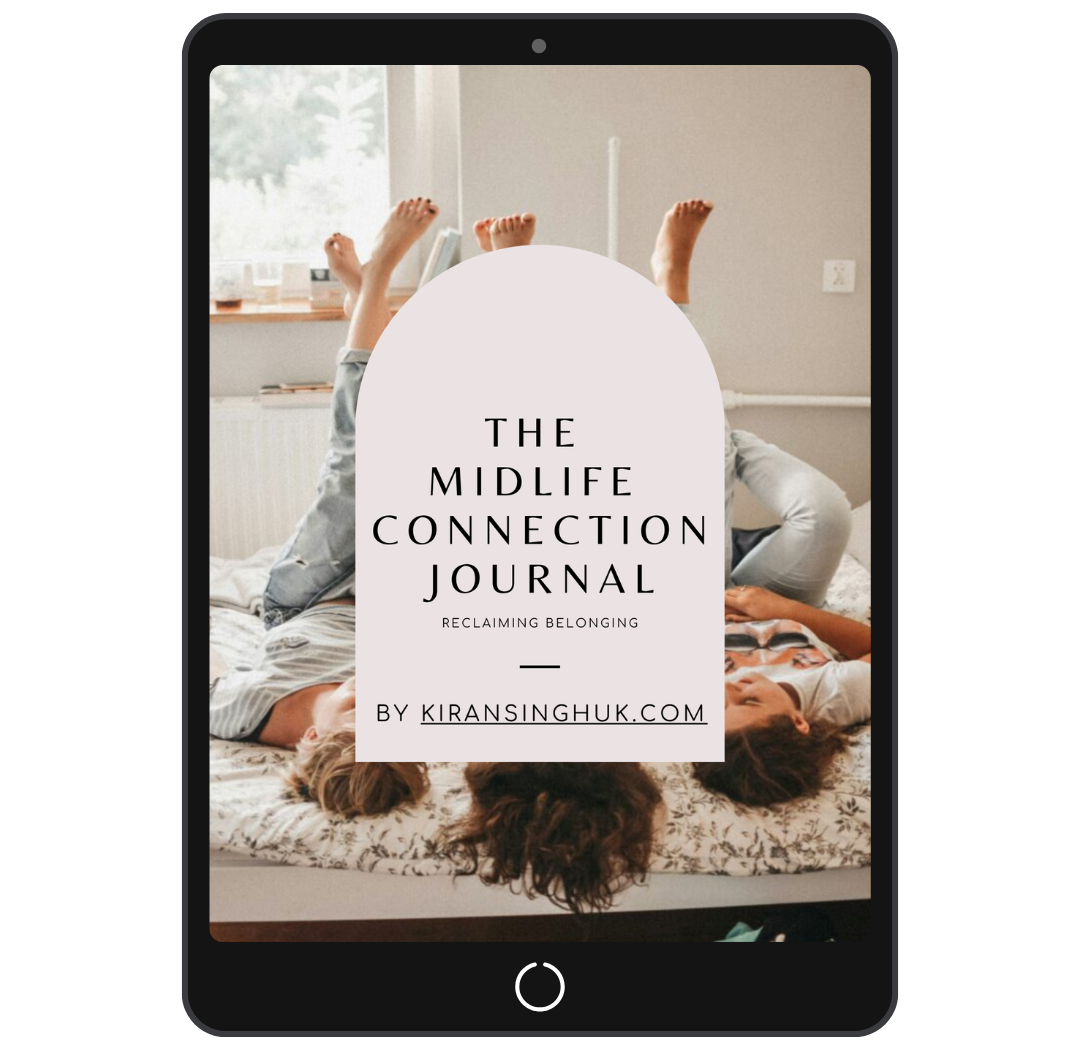
Format: 10-Day Guided Reflection Journal (PDF)
The Practice: 10–15 minutes a day of quiet, honest exploration.
Ready to begin? This soulful companion is available exclusively for our community. Subscribe for free below to unlock instant access to the journal and join our journey of intentional midlife living.
