


Paul Strobl is 52, American, and living in a small mountain village in Bulgaria near the Greek border, coaching mostly U.S.-based clients from a stone house older than his home country. He’s also lived in Argentina, studied anthropology, earned an MBA, and brings the kind of perspective that only comes from both movement and reflection. What I love about Paul’s answers is that they don’t posture. He describes this season not as building, but editing. Less interested in looking impressive, more interested in creating a life that feels true on a Tuesday morning, under the radar. In this conversation, Paul speaks to the quiet identity reckoning many men face in midlife: the moment when competence, status, and experience no longer answer the deeper question of who you are without all the external demands.

Who are you, and what season of midlife are you in right now (work, health, family, identity)?
I’m 52. A curious person (with a degree in Anthropology and an MBA). American, living in a small mountain village in Bulgaria near the Greek border, coaching clients mostly in the U.S. from a stone house older than my home country. I also spent a decade in Argentina.
My current season feels less like building and more like editing. More interested in building a life that feels true on a Tuesday morning, “under the radar.” No one needs to know what I’m doing unless it can help others in some way. My work still matters. Health matters more than it used to. Relationships matter more than both.
What surprised you most about getting older and being a man in midlife?
How many men look successful from the outside and a bit lost on the inside?
I thought midlife would be about decline. For many men, it’s actually an identity reckoning. Despite the cultural myth that you get to a certain level and everything is solved, you can have competence, money, status, experience, and still wonder, “Now what?”
What’s been the hardest part that men rarely say out loud?
Many men built themselves around usefulness: to provide, produce, solve, and endure. Then one day, the external demands ease a bit, and they realise they don’t know who they are without being needed. That can feel embarrassing to admit.
What has helped you most?
Training consistently. Walking outside. Cooking simple food. Limiting noise.
Quelling uncertainty with curiosity and forward action. A tremendous wife who puts up with me.
What are you unlearning about masculinity, success, or what it means to be a good man?
That stoicism means emotional distance. That success automatically transfers into meaning. That strength is dominance. I think real strength now looks more like steadiness, honesty, responsibility, and the ability to stay open and curious.
What do you wish you could tell your 35-year-old self?
Don’t confuse momentum with direction. Some goals are worth achieving only so you can discover they were too small. Take care of your body earlier. Protect your attention. Choose people carefully. And stop assuming there’s one correct life.
What do you want other men to know they’re not alone in?
Feeling grateful and dissatisfied at the same time. Loving your family and still wanting more space. Being successful and still anxious. Wondering if you missed your real path. You’re not uniquely broken, you’re human.
What’s one small ritual that keeps you steady?
Slow mornings before the world starts asking things from me. Coffee. Quiet. Walk the dog. A little thinking.
I’ve also written an evening “prayer.” It sits on my nightstand. It focuses on gratitude and how I’m nothing in the cosmos, but still something and part of all of it.
What stayed with me most in Paul’s answers is the way he names something so many men feel, and so few say out loud: the loss of identity that can come when usefulness has been the foundation of self-worth. If you’ve built your life around providing, producing, solving, and enduring, what happens when the pressure lifts and you’re left asking, now what? Paul’s response isn’t dramatic. It’s grounded. Train consistently. Walk outside. Cook simple food. Limit noise. Stay curious. Keep moving. And maybe that’s exactly why it lands.
His version of masculinity feels mature, not performative: strength as steadiness, honesty, responsibility, openness, and curiosity. I also love his reminder that you can feel grateful and dissatisfied at the same time, successful and still anxious, deeply loving and still wanting more space. That doesn’t make you broken. It makes you human. And perhaps that’s the real edit midlife offers, not a total reinvention, but a quieter, truer life built around what actually matters.
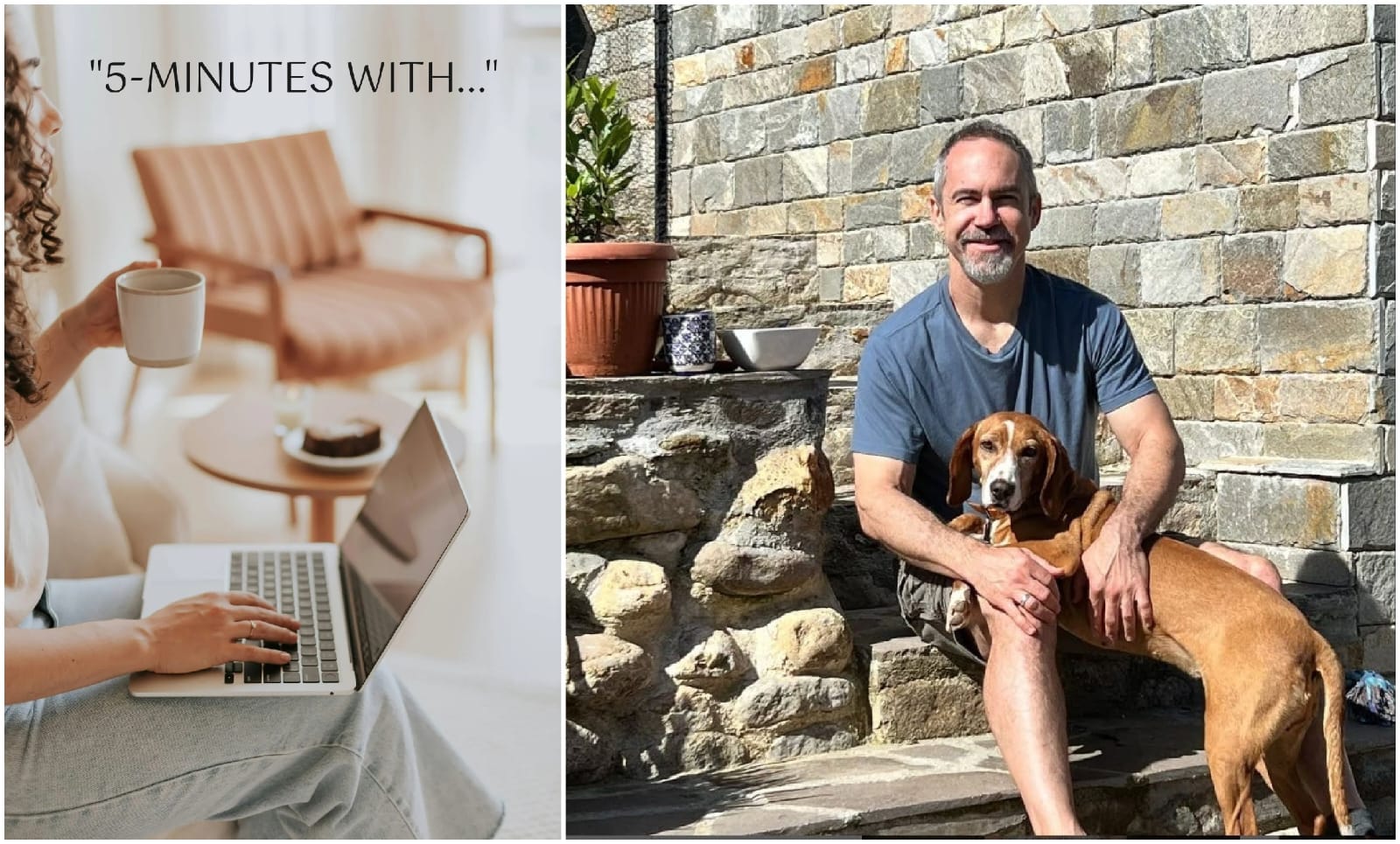
If you’d like to be part of the ‘5 Minutes With…’ series, or you know a woman whose voice would feel like medicine here, email me at hello@kiransinghuk.com. And if you’re reading this thinking, same, tell me in the comments: what are you unlearning in midlife?
I’m so grateful for this conversation, Kiran. There’s nothing I love more than being in dialogue with women, but I found it so fascinating to hear Paul reflect on what it means to be a man in midlife. So many of the questions he’s wrestling with felt deeply familiar. A beautiful reminder of how much more we share than we sometimes realize.
Laurie, that's exactly why I wanted to include a male voice in the series. That moment of recognition, "Oh, he's asking the same questions," feels important. Midlife has a way of levelling us all in the most human way.
And Paul, thank you for adding this. The point about men carrying these questions largely in silence is one I think gets missed. Women have spent years building the language and the communities for this kind of inner work. Many men haven't had that, and the loneliness that comes from that gap is real and worth talking about more openly.
The "menodivorce" observation is fascinating and, honestly, not surprising. When a woman finally stops shrinking herself to keep the peace, everything around her has to recalibrate. That's not a problem with her awakening; it's just the reality of how much had been quietly held in place by her staying small.
Such a rich thread. Grateful to both of you for taking it somewhere deeper x